
Motorcycle Oil Basics: 2T vs 4T Engines and Why JASO Ratings Matter
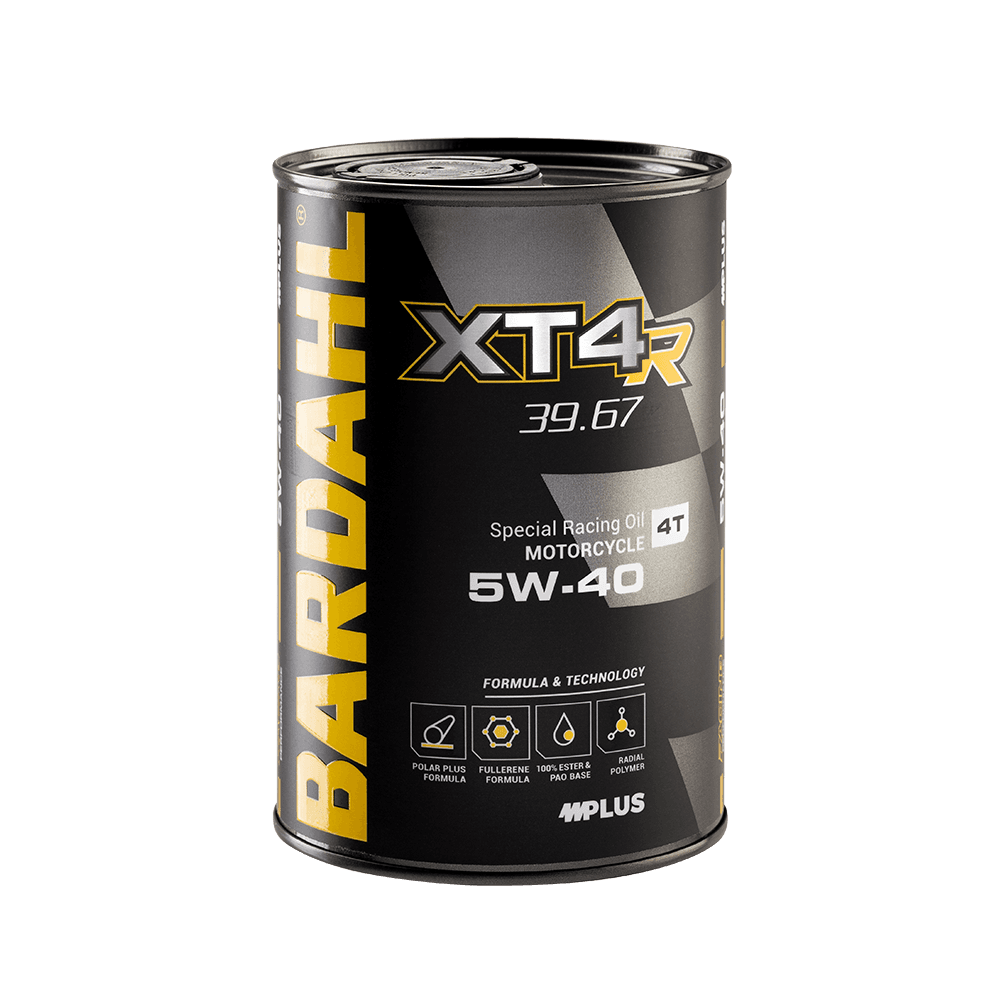
Choosing the right engine oil for your motorcycle is one of the most important maintenance decisions you can make. Use the wrong product and you risk accelerating engine wear, clutch problems, or even serious mechanical failure. Two of the most misunderstood topics among riders — both beginners and experienced — are the difference between 2-stroke (2T) and 4-stroke (4T) oils, and the significance of JASO ratings.
2-Stroke vs 4-Stroke Oil: Why They Are Not Interchangeable
The fundamental difference starts with how each engine type works. In a 2-stroke engine, oil is either pre-mixed with fuel or injected directly into the fuel stream, meaning it burns along with the petrol. A good 2T oil must lubricate effectively while burning as cleanly as possible, leaving minimal carbon deposits that could clog the exhaust port or spark plug.
A 4-stroke engine, by contrast, keeps its oil completely separate from the fuel. The oil circulates through a dedicated lubrication system — lubricating the crankshaft, camshafts, cylinder walls and, in most motorcycles, the wet clutch as well. This oil must withstand high shear forces and thermal cycling without breaking down, while also preventing clutch slip.
Using 4T oil in a 2-stroke engine — or vice versa — can cause severe damage. Always check your owner's manual and use a product formulated specifically for your engine type. Bardahl offers dedicated lines for both 2-stroke and 4-stroke motorcycle engines, engineered to meet the exact demands of each application.
JASO Ratings Explained: The Standard That Protects Your Clutch
JASO (Japanese Automotive Standards Organization) ratings were developed specifically for motorcycle lubricants to address a critical issue that standard car engine oils do not: wet clutch compatibility. Most motorcycle gearboxes share oil with the engine, so the lubricant must allow the clutch to engage firmly without slipping.
For 4-stroke motorcycles, there are three key JASO grades:
- JASO MA — General standard for bikes with a wet clutch. Ensures the oil does not cause clutch slip.
- JASO MA2 — Higher friction rating, recommended for high-performance bikes and those with slipper clutches.
- JASO MB — Low-friction oil for scooters and motorcycles where the clutch runs separately from the engine oil circuit. Using MB in a wet-clutch bike will cause clutch slip.
For 2-stroke engines, the most important grade is JASO FD — the highest classification, offering superior cleanliness, lubricity, and minimal smoke. Older grades (FB, FC) still exist but offer less protection.
Practical Tips for Greek Riders and Workshops
Greece's climate — hot summers, demanding stop-and-go city traffic, and mountain roads — puts extra stress on motorcycle lubricants. Keep your bike running at its best with these guidelines:
- Always check your motorcycle's owner manual for the correct viscosity grade and oil specification before buying.
- Match the JASO rating precisely: MA or MA2 for wet-clutch bikes, MB for scooters, FD for 2-stroke engines.
- Change your oil at manufacturer-recommended intervals — or more frequently during the hot summer months and in city riding conditions.
- Never mix mineral and synthetic oils; if switching types, do a complete drain and flush.
- Choose a trusted brand. Bardahl's motorcycle oil range covers all JASO grades and viscosities, giving workshops and riders a single reliable source for both 2T and 4T applications.
Understanding these basics is not just about following rules — it is about protecting your investment and staying safe on the road. When in doubt, consult your local Bardahl-certified workshop for advice tailored to your specific motorcycle and riding style.
Need the right Bardahl products?
Explore the range